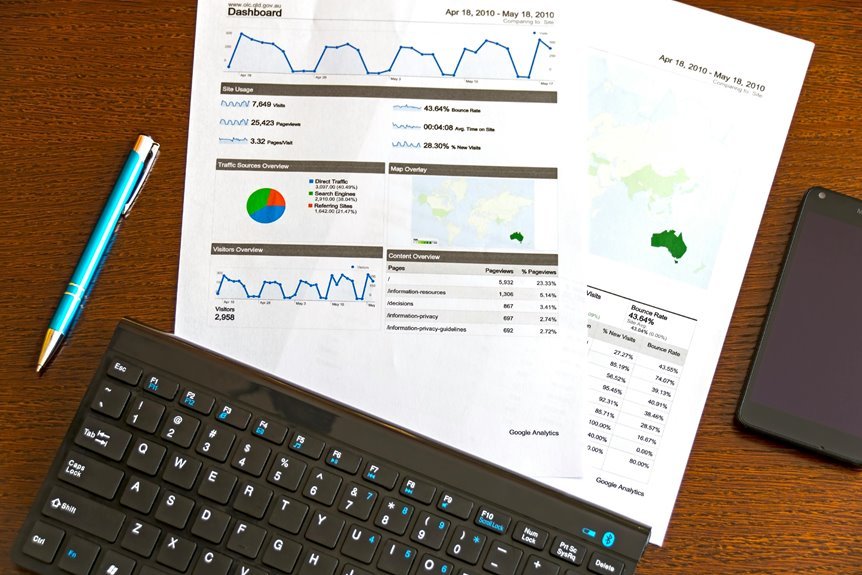
Strategic Planning Dashboard: 722540384, 722588620, 722907296, 722937796, 725761281, 726111755

The Strategic Planning Dashboard is a crucial asset for organizations aiming to align their activities with strategic objectives. It incorporates advanced data visualization and performance metrics to enhance tracking and facilitate informed decision-making. By fostering a collaborative environment, it enables teams to identify and capitalize on opportunities effectively. However, understanding the specific components and insights derived from this dashboard can significantly impact its effectiveness. What are the key elements that drive its success?
Importance of a Strategic Planning Dashboard
Although organizations may employ various tools for decision-making, the strategic planning dashboard stands out as a critical instrument for aligning initiatives with overarching goals.
This dashboard enhances performance tracking through clear data visualization, enabling stakeholders to monitor progress and make informed decisions.
Key Components of an Effective Dashboard
When developing a strategic planning dashboard, several key components must be meticulously considered to ensure its effectiveness.
Central to this are data visualization techniques that enhance comprehension and engagement. Additionally, clearly defined performance metrics are essential for measuring progress and informing decision-making.
Together, these elements create a dashboard that not only presents information but also empowers users to act strategically and efficiently.
Leveraging Insights for Strategic Decision-Making
An effective strategic planning dashboard not only aggregates data but also serves as a vital tool for leveraging insights that inform decision-making.
By employing advanced data visualization techniques, organizations can clearly interpret performance metrics, enabling leaders to identify trends and make informed adjustments.
This structured approach enhances strategic agility, empowering teams to pursue opportunities while mitigating risks, ultimately fostering a culture of data-driven decision-making.
Conclusion
In conclusion, the Strategic Planning Dashboard stands as a pivotal instrument for organizations, yet its true potential remains unlocked only when teams fully embrace its features. As they delve deeper into data visualization and performance metrics, the question looms: will they seize the opportunity to transform insights into actionable strategies? The path forward is laden with possibilities, but without proactive engagement, the dashboard may merely reflect numbers rather than shaping a dynamic future. The choice is theirs.